
Types of Fluoride Treatments for Kids and How They Work
Protecting children’s teeth from cavities is one of the most important steps in ensuring lifelong oral health. Among the many preventive tools available, fluoride treatments stand out as one of the most effective. Fluoride has been proven to strengthen enamel, help reverse early signs of decay, and reduce cavity risk. While daily use of fluoride through toothpaste and water provides consistent protection, professional fluoride treatments offer additional defense, especially for kids who may be more vulnerable to cavities.
This blog explores the different types of fluoride treatments for kids, how each one works, and why they are considered essential for children’s dental care in the United States.
Why Do Kids Need Fluoride Treatments?
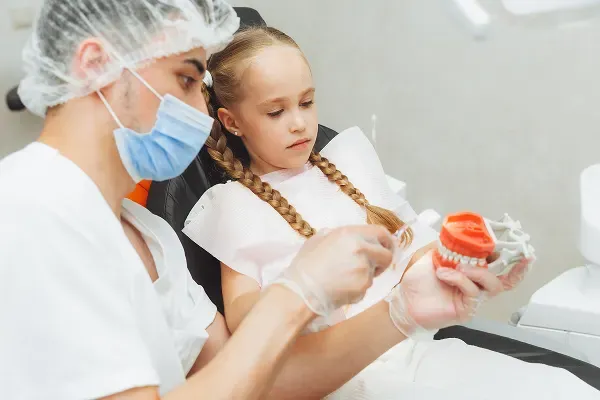
Children’s teeth, especially newly erupted permanent teeth, are more prone to decay than adult teeth. Their enamel is still developing, which makes it less resistant to acids produced by bacteria and sugary foods. At the same time, children may not always brush or floss as thoroughly as needed, which increases their cavity risk.
Fluoride treatments help protect children’s smiles by strengthening the enamel and making it more resistant to decay. They also play a role in repairing weak spots in teeth before cavities fully form. By offering an added layer of protection during a stage of life when kids are most cavity-prone, fluoride becomes a vital part of preventive dental care.
Types of Fluoride Treatments for Kids
Fluoride treatments come in several forms, and each has unique benefits depending on a child’s needs. The most common types include fluoride varnish, fluoride gel, and fluoride foam.
Fluoride Varnish
One of the most widely used options is fluoride varnish, which comes as a sticky, concentrated coating painted directly onto the teeth with a small brush. Once applied, it hardens almost instantly, allowing the fluoride to stay in contact with the enamel for a longer time. Because the application is quick and comfortable, fluoride varnish is often the preferred method for young children, including toddlers. Its ability to deliver high effectiveness with minimal discomfort has made it the most common professional fluoride treatment for kids in the United States.
Fluoride Gel
Another option is fluoride gel, which is usually applied using trays that fit over the teeth. The trays are filled with a gel containing a high concentration of fluoride and are left in place for a few minutes, giving the enamel time to absorb the mineral. This treatment is especially useful for children who are at a higher risk of cavities, although it requires them to sit still for several minutes. While it may not be as convenient for younger kids, it remains a highly effective treatment for those who can tolerate the short application time.
Fluoride Foam
Fluoride foam is similar to gel but has a lighter, airy consistency. Like the gel, it is applied using trays that cover the teeth for a short period. Because it spreads evenly and covers all tooth surfaces quickly, foam can be particularly helpful for children with many erupting teeth. Although it is used less frequently than varnish or gel, fluoride foam remains a reliable treatment option in many pediatric dental practices.
How Professional Fluoride Treatments Work
Regardless of whether varnish, gel, or foam is used, professional fluoride treatments all work in similar ways. The concentrated fluoride penetrates the enamel, strengthening it against acid and bacteria while repairing weak spots that could turn into cavities.
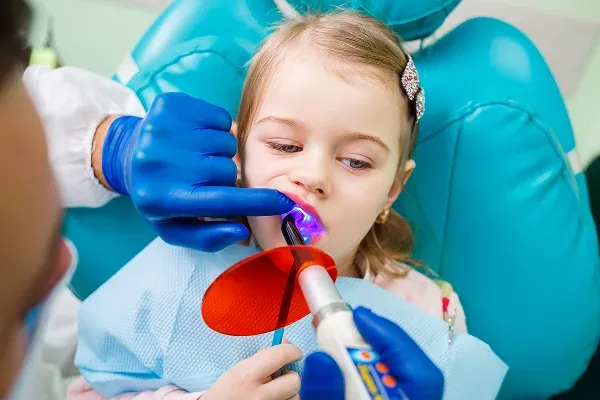
Typically, the process begins with the dentist or hygienist cleaning the child’s teeth to remove plaque or food particles. The fluoride product is then applied directly to the teeth and allowed to remain for a few minutes, or in the case of varnish, hardens immediately to stay in place. This method ensures that children receive a much higher dose of fluoride than they would through daily brushing alone, offering added protection for their developing teeth.
Daily vs. Professional Fluoride for Kids
Parents often wonder whether daily use of fluoride toothpaste is enough for their children. While daily brushing with fluoride toothpaste is essential for ongoing protection, professional fluoride treatments provide a much stronger boost of defense. The two approaches work best when combined: daily fluoride use keeps enamel consistently strong, while professional treatments offer concentrated reinforcement during dental visits. This dual approach is especially important for kids, since they are more likely to develop cavities than adults.
Benefits of Fluoride Treatments for Children
Fluoride treatments offer children benefits that go far beyond cavity prevention. They help create stronger enamel that can withstand the acids and sugars found in everyday foods. This protection reduces the likelihood of painful tooth decay, minimizes the risk of infections, and helps ensure that children’s permanent teeth develop in a healthy environment. By lowering the chances of cavities, fluoride treatments can also reduce the need for more complex dental procedures in the future. Ultimately, they play a major role in helping children build a foundation for a lifetime of healthy smiles.
Who Benefits Most from Fluoride Treatments?
Although all children can benefit from fluoride, some groups are more likely to need professional treatments on a regular basis. Kids with a history of frequent cavities often require the extra protection fluoride provides. Children wearing braces also benefit since orthodontic appliances can make thorough cleaning more difficult, creating areas where plaque can build up. Kids who do not have access to fluoridated water or who have inconsistent brushing habits are also good candidates for additional fluoride care. Finally, children with special healthcare needs may require fluoride more often to help protect their teeth.
FAQs
Q1: Are fluoride treatments safe for children?
Yes, professional fluoride treatments are safe when provided by a licensed dentist or hygienist. The amount of fluoride used is carefully controlled to match children’s needs.
Q2: How often should kids get fluoride treatments?
The frequency depends on the child’s cavity risk. Many children benefit from treatments every six months, though those with higher risk may need more frequent applications.
Q3: Do kids still need fluoride toothpaste if they get professional treatments?
Yes. Daily brushing with fluoride toothpaste is necessary for maintaining ongoing protection. Professional treatments add extra support but do not replace daily care.
Q4: Which fluoride treatment is best for kids: varnish, gel, or foam?
All three are effective, but fluoride varnish is generally the most child-friendly because it is quick to apply and comfortable even for very young kids.
Conclusion
Fluoride is one of the most effective ways to protect children’s teeth against cavities. With options such as varnish, gel, and foam, dentists can recommend treatments tailored to each child’s needs. Professional fluoride treatments work alongside daily brushing with fluoride toothpaste to give children the strongest defense possible against decay.
Parents who want to learn which fluoride treatment is best for their child should schedule a visit with a pediatric dentist. A dental professional can assess the child’s oral health, review daily habits, and recommend the right treatment approach. By starting fluoride care early, parents can give their children the best possible chance at a lifetime of healthy, confident smiles.
Resource:
Fluoride vs. Non-Fluoride Toothpaste: Which One Is Better for Kids?
Subscribe To Our Newsletter
Get Updates And Learn From The Best