How Do Genetics and Orthodontic Issues Shape Kids’ Dental and Facial Development
A child’s smile is shaped by more than brushing and eating healthy. Many parents notice patterns that seem to run in the family, such as crowded teeth, overbites, or a narrow jaw, and wonder if their child will develop the same concerns. The truth is that genetics plays a major role in dental and facial development, influencing jaw size, tooth size, bite alignment, and even facial symmetry.
At the same time, genetics is not the only factor. Untreated orthodontic issues like crowding, crossbite, overbite, underbite, or mouth breathing can influence how the jaws grow and how the face develops over time. This is why early observation and timely orthodontic guidance can be so important. Understanding the connection between family history and orthodontic health helps parents make informed decisions, spot early warning signs, and support balanced growth before problems become more complex.
The Role of Genetics in Kids’ Orthodontic Health
Genetics influences the blueprint of a child’s facial structure and tooth development. Just like height and eye color, many dental and skeletal traits are inherited. If one or both parents had orthodontic treatment, it does not guarantee the child will need braces, but it does raise the likelihood of similar patterns.
Genetic factors can affect:
- Jaw size and shape, such as a narrow upper jaw or a smaller lower jaw.
- Tooth size and spacing, where larger teeth may erupt in a smaller jaw.
- Bite relationships, including overbite, underbite, and crossbite tendencies.
- Eruption patterns, which determine how and when permanent teeth emerge.
- Facial growth direction influences overall facial balance over time.
Family history often explains why one child develops crowding early while another has naturally spaced teeth. In many cases, it is not a single gene but a combination of inherited traits that influences how the teeth and jaws fit together.
Common Inherited Patterns That Lead to Orthodontic Problems
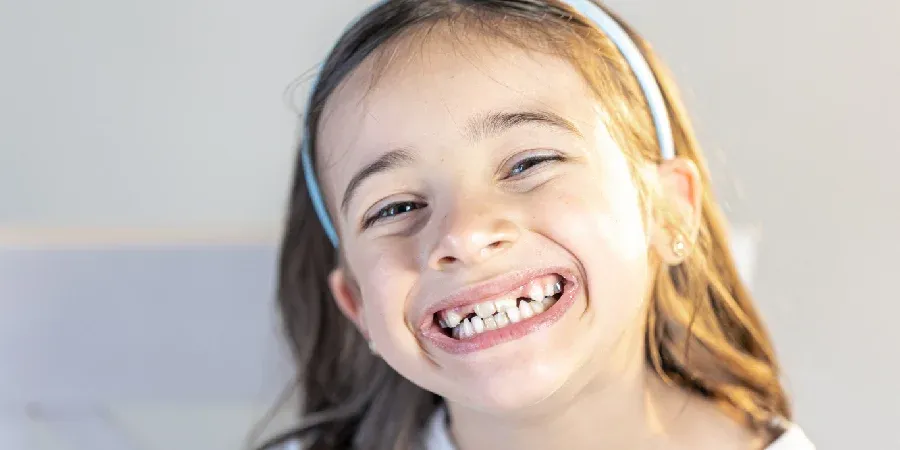
Parents often ask, “If I had braces, will my child need them too?” While orthodontic needs vary, there are several inherited patterns that frequently contribute to orthodontic concerns.
Crowding and Tooth Size Jaw Size Mismatch
One of the most common inherited issues is a mismatch between tooth size and jaw size. A child may inherit larger teeth from one parent and a smaller jaw from the other, leading to crowding as permanent teeth erupt.
Overbite Underbite and Skeletal Bite Differences
Some bite patterns are skeletal rather than dental. For example, a child may inherit a smaller lower jaw which can result in an overbite, or a larger lower jaw which may result in an underbite. These patterns can influence both tooth alignment and facial profiles.
Crossbite and Narrow Upper Jaw
A narrow upper jaw can run in families and may increase the likelihood of crossbite. Crossbites are important to identify early because they can affect jaw growth and facial balance if left untreated.
Spacing and Missing Teeth Tendencies
Some children inherit smaller teeth or naturally wider spacing. Others may have missed or extra teeth, which can influence how surrounding teeth shift and how the bite develops.
How Untreated Orthodontic Issues Can Influence Jaw Growth and Facial Symmetry
Orthodontic issues are not only about straight teeth. In growing children, the teeth and jaws are still developing, and the bite influences how forces are distributed during chewing and speaking. When the bite is imbalanced, the jaw may adapt in ways that affect facial development.
Jaw Growth and Bite Alignment
If a child’s bite is uneven, the jaw may shift slightly to one side to find a comfortable position. Over time, that shift can influence muscle patterns and contribute to asymmetrical jaw growth. This is one reason for orthodontic professionals to closely monitor crossbites and functional shifts at an early age.
Facial Symmetry and Long-Term Appearance
Facial symmetry is shaped by bone growth, muscle balance, and oral posture. When orthodontic issues remain untreated, especially during key growth phases, children may develop changes that become more noticeable over time. These may include an uneven jawline, imbalance between the left and right sides of the face, or changes in facial profile related to jaw positioning.
While not every orthodontic issue leads to visible facial changes, early assessment helps identify which conditions are more likely to influence growth and which can be safely monitored.
Function Matters for Chewing, Speech, and Comfort
Beyond appearance, bite problems can affect everyday function. A misaligned bite may make chewing less efficient, place uneven stress on certain teeth, or contribute to speech challenges in some children. Early orthodontic guidance supports both comfort and healthy development.
How Environment and Habits Interact with Genetics
Genetics sets out the foundation, but habits and health factors influence outcomes. Thumb sucking or prolonged pacifier use can affect tooth position and bite development. Mouth breathing, often linked to allergies or nasal obstruction, can influence tongue posture and jaw growth. Teeth grinding may contribute to uneven wear or jaw discomfort.
This interaction explains why siblings with similar genetics may develop different orthodontic needs. Identifying habits early and addressing underlying causes supports healthier growth patterns.
Early Signs Parents Can Watch For
Parents do not need to diagnose orthodontic issues, but certain signs may indicate that an evaluation is helpful. These include early crowding or overlapping teeth, difficulty biting or chewing comfortably, teeth that do not meet evenly, jaw shifting to one side when closing, persistent speech concerns, mouth breathing or open mouth posture, and unusual timing of baby tooth loss or permanent tooth eruption.
Even when teeth appear straight, underlying bite issues can still be present. Early evaluation helps identify concerns that are not always visible.
Why Early Orthodontic Evaluations Matter
Around ages six to seven, children enter the mixed dentition phase where baby teeth and permanent teeth coexist. This stage allows orthodontic professionals to evaluate jaw growth and eruption patterns early.
An early evaluation may include checking bite alignment, assessing spacing or crowding, monitoring eruption paths, and identifying habits or airway concerns. Not every child needs immediate treatment, but early evaluation provides guidance on when and if intervention may be beneficial.
How Orthodontic Guidance Supports Healthier Development
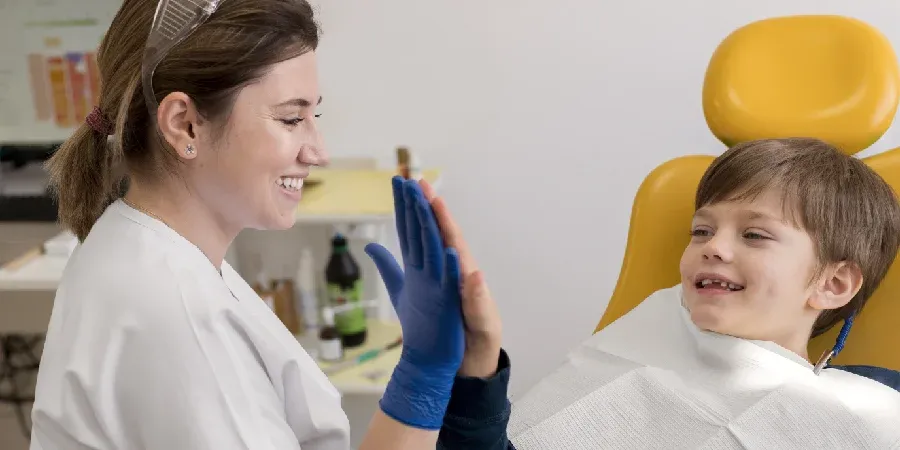
Early orthodontic care focuses on guiding natural growth rather than correcting fully developed problems. Depending on the child’s needs, this may involve observation, space maintenance, or early correction of jaw imbalances. The goal is to support proper eruption, balanced bite development, and long-term stability.
Conclusion
Genetics plays a powerful role in shaping a child’s dental and facial development, particularly when family history includes crowding, bite concerns, or jaw growth differences. However, genetics alone does not determine outcomes. Untreated orthodontic issues can influence jaw structure, facial symmetry, and function over time.
Early awareness and professional evaluation give parents the opportunity to support healthier growth. Whether monitoring or early guidance is recommended, timely assessment helps ensure that each child’s smile develops in a balanced, comfortable, and confident way.
Resource:
What is the best age for your kids to start fluoride?
*This media/content or any other on this website does not prescribe, recommend, or prevent any treatment or procedure. Therefore, we highly recommend that you get the advice of a qualified dentist or other medical practitioners regarding your specific dental condition*
Subscribe To Our Newsletter
Get Updates And Learn From The Best