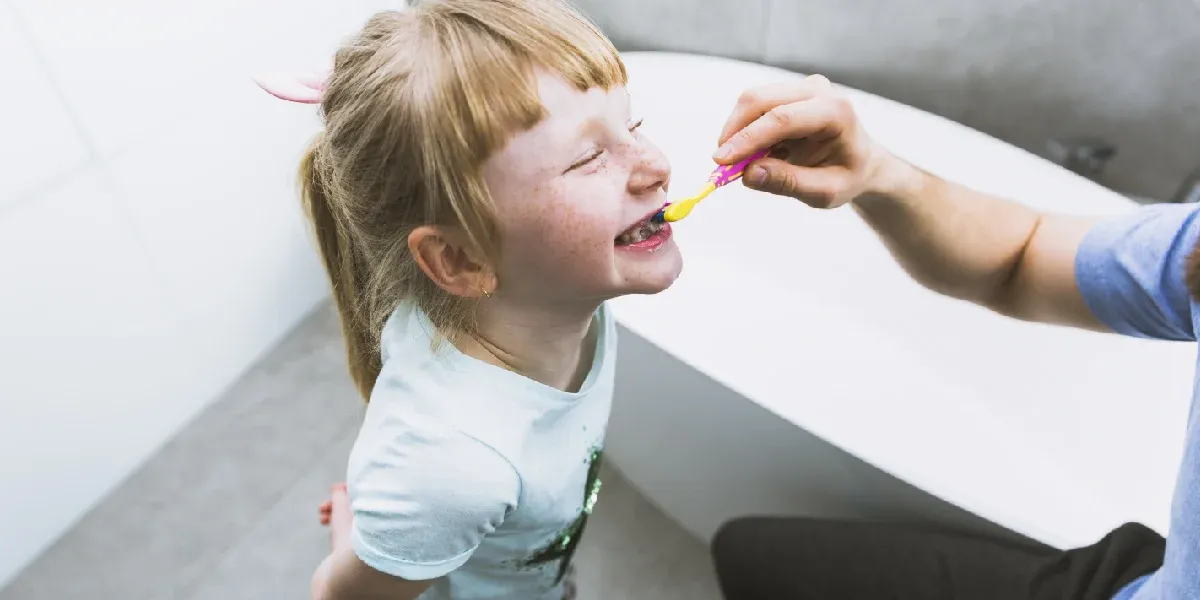
Thumb Sucking, Mouth Breathing, and Other Early Habits That Affect Kids Dental Health
Childhood is a period of growth, learning, and the development of habits some helpful and others potentially harmful. Among these are common behaviors like thumb sucking, mouth breathing, and prolonged pacifier use, which may seem harmless at first but can significantly influence children’s dental health over time. Understanding what these habits are, how they affect oral development, and why early intervention matters can make a lasting difference in maintaining proper alignment, spacing, and bite balance as a child grows.
Understanding Thumb Sucking and Its Dental Impact
Thumb sucking is a natural reflex that provides comfort and security to infants and young children. Many babies begin this habit even before birth, and in the early years, it often helps them self-soothe or fall asleep. However, when thumb sucking continues beyond the age of four or five after most baby teeth have erupted it can begin to affect jaw growth and tooth alignment.
The pressure created by the thumb inside the mouth can push the upper front teeth forward and the lower teeth backward, leading to a condition known as open bite or overbite. This misalignment can interfere with chewing, speech, and even facial symmetry. The intensity, duration, and frequency of the habit determine how severe the impact becomes. Gentle, occasional sucking may cause minimal change, but consistent and forceful thumb sucking is more likely to result in lasting misalignment.
The Role of Pacifier Use in Early Dental Development
Like thumb sucking, pacifier use is a comforting habit that helps babies relax and fall asleep. While pacifiers can be beneficial for soothing infants and even lowering the risk of sudden infant death syndrome (SIDS) in the first year, prolonged use beyond toddlerhood can affect oral and dental development.
Continuous sucking on a pacifier can create similar pressure effects as thumb sucking, contributing to open bite, crossbite, or narrowing of the dental arch. This happens because the jawbones and teeth in early childhood are still developing and easily influenced by external forces.
Dental experts generally recommend weaning off the pacifier between ages two and three to allow normal jaw and tooth alignment to develop. Early discontinuation supports the natural positioning of teeth and helps prevent speech difficulties associated with altered mouth shape.
Mouth Breathing and Its Connection to Dental and Facial Growth
Unlike thumb sucking or pacifier use, mouth breathing is not always a deliberate habit; it can be a result of underlying issues such as nasal congestion, allergies, or enlarged tonsils and adenoids. When a child regularly breathes through their mouth instead of the nose, it can have a lasting impact on facial structure, jaw development, and dental alignment.
Mouth breathing alters the natural resting position of the tongue and lips. Normally, the tongue rests against the roof of the mouth, helping shape the palate and guide proper jaw growth. When the mouth stays open for extended periods, the tongue rests lower, and the palate may become narrower or higher, leading to crowding or crossbites.
This habit can also influence facial appearance over time. Children who consistently breathe through their mouths may develop a longer face, an open mouth posture, or a forward head position to aid airflow. The imbalance between muscles of the face and jaw can contribute to bite problems and speech difficulties.
The Effects of Early Tooth Loss on Alignment and Spacing
Another common issue that can influence children’s dental alignment is premature tooth loss. When a baby tooth is lost too early due to injury, decay, or extraction it can disrupt the natural sequence of tooth eruption. Baby teeth act as placeholders for permanent teeth, maintaining proper spacing until the adult teeth are ready to emerge.
If a baby tooth is lost before its time, the surrounding teeth can drift into the empty space, causing crowding or misalignment of permanent teeth. This can lead to complications such as impacted teeth or bite irregularities later.
In some cases, dental professionals use a space maintainer, a small device that preserves the gap left by the missing tooth, allowing permanent teeth to erupt in the correct position. The goal is to guide the eruption pattern naturally and reduce the need for major corrective treatments later.
Regular dental check-ups during early childhood ensure that tooth loss, eruption timing, and jaw growth are all developing properly. When monitored closely, interventions can be made at the right time to support healthy alignment and spacing.
Tongue Thrusting and Its Hidden Effects on the Bite
Another subtle but impactful habit is tongue thrusting, where the tongue pushes against the teeth during swallowing or speaking. This repetitive motion applies pressure on the teeth, leading to open bites or overbites. Over time, it can also affect speech clarity and the stability of orthodontic results if not corrected.
Behavioral therapy, awareness exercises, and proper tongue positioning techniques taught by specialists can help retrain the muscles. When addressed early, it’s possible to restore natural swallowing patterns and prevent developing bite issues.
How and Why These Habits Form
Understanding why these habits develop is as important as knowing how they affect dental health. Most arise from comfort-seeking behaviors in early childhood, triggered by the need for security, soothing, or easier breathing. Infants find repetitive sucking calming, while mouth breathing may simply be a response to nasal blockage or habit persistence.
As children grow, these actions transition from reflexive behaviors to learned habits, maintained by repetition and emotional comfort. The challenge lies not just in stopping the behavior but in addressing its root cause be it anxiety, airway obstruction, or lack of awareness.
Helping Children Break Harmful Habits
Breaking early oral habits requires consistency, understanding, and support. The first step is awareness recognizing that habits like thumb sucking, pacifier use, or mouth breathing are influencing the child’s oral growth. Once identified, parents and caregivers can gradually introduce changes that make the habits less appealing or necessary.
For thumb sucking, this might include keeping the hands busy with toys or crafts, using positive reinforcement for progress, or introducing comforting alternatives like soft blankets or bedtime stories. For mouth breathing, addressing nasal congestion and teaching breathing exercises can make a lasting difference.
If a habit continues beyond the age of four or five and is affecting tooth positioning, bite, or speech, professional evaluation is recommended. Early intervention can involve habit-breaking appliances, speech therapy, or growth guidance approaches that correct muscle coordination and oral posture.

The Long-Term Benefits of Early Habit Correction
Addressing these early habits has a profound impact on long term oral health. Children who overcome thumb sucking, pacifier dependence, or mouth breathing early are more likely to develop well-aligned teeth, balanced jaw growth, and healthy breathing patterns. Their risk for bite problems, crowding, and speech issues significantly decreases.
Moreover, proper oral function influences overall development, including nutrition, speech articulation, and facial balance. When the jaws and teeth grow in harmony, the child’s appearance, comfort, and confidence also benefit.
Conclusion
Thumb sucking, mouth breathing, pacifier use, and other early oral habits are not merely temporary behaviors they play a defining role in shaping kids’ dental health and overall development. Recognizing how these habits form, why they persist, and how they influence alignment and spacing allows parents to act before long term problems develop.
When addressed early, these habits can be redirected or eliminated through gentle, positive reinforcement and professional supervision. The difference between early correction and delayed awareness can determine whether a child grows up with balanced jaw alignment, clear speech, and healthy smiles.
Regular dental evaluations starting in early childhood are key to tracking growth and identifying the effects of such habits. Early intervention not only prevents complex dental treatments later but also supports confident, healthy development ensuring every child’s smile grows naturally, beautifully, and strong.
Contact your dentist today in Stockton, CA, Dr. Rizvi, at Happy Kids Dental, to learn more about Thumb Sucking, Mouth Breathing, and Other Early Habits That Affect Kids Dental Health.
Resource:
How Do Genetics and Orthodontic Issues Shape Kids’ Dental and Facial Development
*This media/content or any other on this website does not prescribe, recommend, or prevent any treatment or procedure. Therefore, we highly recommend that you get the advice of a qualified dentist or other medical practitioners regarding your specific dental condition*
Subscribe To Our Newsletter
Get Updates And Learn From The Best