
Does My Child Need a Filling or a Crown for a Cavity?
When a child has a cavity, the next question is often whether the tooth needs a filling or a crown. Both treatments can repair damaged teeth, but they are used for different levels of tooth decay. If you are searching for Stockton dental fillings, understanding the difference can help you feel more prepared before the dental visit and know what questions to ask.
A filling is usually used when the cavity is small to moderate and enough healthy tooth remains. A crown may be recommended when the tooth is weaker, badly damaged, or needs stronger protection. In stockton pediatric dentistry, the goal is not only to fix the cavity. The goal is to help the child chew, speak, smile, and keep the baby tooth in place until it naturally falls out.
How Fillings and Crowns Protect Baby Teeth
Fillings and crowns both help restore baby teeth affected by decay, but they protect the tooth in different ways. A dental filling is usually used when the cavity is smaller and the tooth still has enough healthy structure to support a repair. The filling replaces the damaged portion of the tooth, helps seal the area where decay was removed, and allows the child to chew more comfortably.
A dental crown offers broader protection because it covers more of the visible tooth. This may be helpful when decay has weakened the tooth, when a cavity is large, or when a baby molar needs stronger support for daily chewing. The right option depends on cavity size, tooth condition, bite pressure, symptoms, and how long the baby tooth still needs to remain in the mouth before naturally falling out.
When a Dental Filling May Be Enough
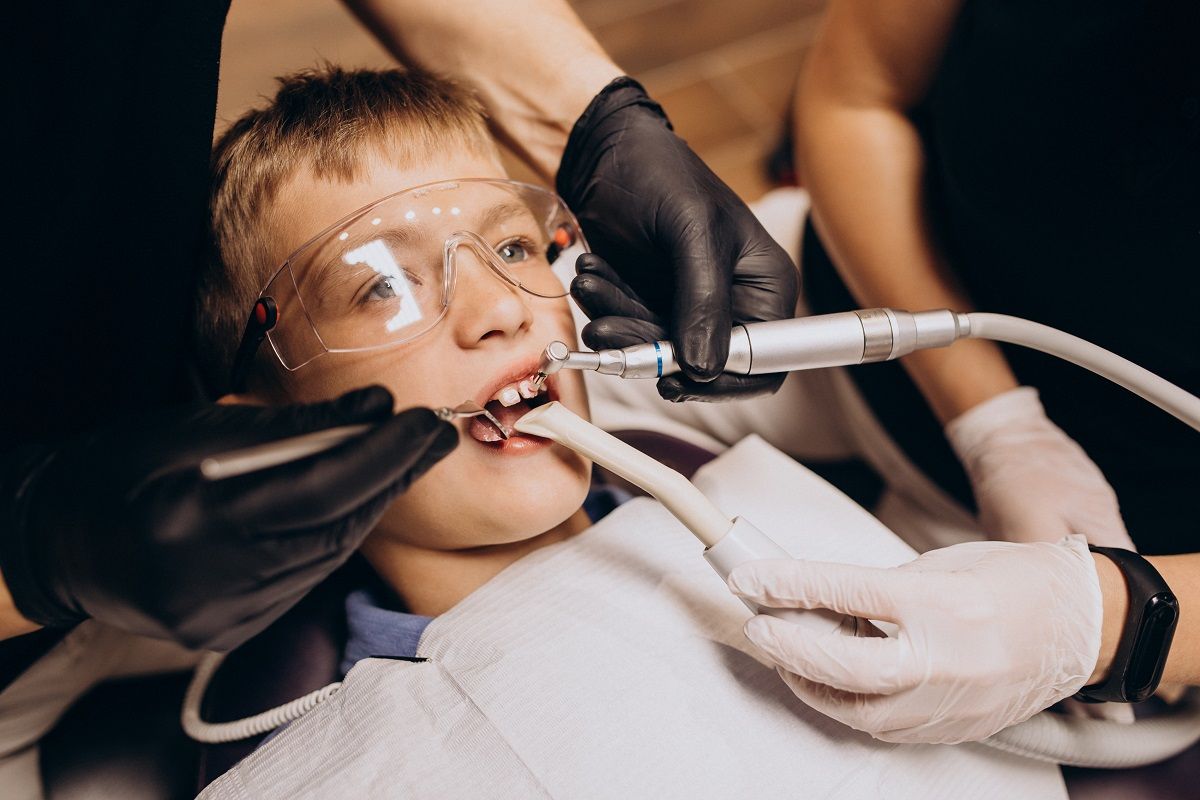
A dental filling in stockton may be enough when the cavity is found early and the tooth still has strong surrounding structure. During treatment, the decayed portion is carefully removed, the area is cleaned, and filling material is placed to rebuild the missing part of the tooth. This helps restore shape, function, and comfort without covering the entire tooth.
Tooth colored fillings may be used when the cavity size and location make them suitable. They can blend with the natural tooth shade, which is helpful when the repaired area is visible during smiling or speaking. Fillings can also help reduce sensitivity, prevent the cavity from spreading deeper, and protect the tooth from further breakdown when the damage is limited. In many cases, early treatment with a filling can help keep the baby tooth healthy until it is ready to fall out naturally.

When a Crown May Work Better
A pediatric crown may work better when a baby tooth has a large cavity, repeated decay, a fracture, or not enough strong tooth structure left to support a filling. Since baby molars handle strong chewing pressure every day, a weakened tooth may need full coverage instead of a smaller repair. A crown protects the tooth from multiple sides and may reduce the risk of the tooth cracking, wearing down, or breaking around a large filling.
Crowns are often considered when the tooth needs to stay in place for several more years. Baby teeth guide adult teeth into position, support chewing, and help maintain proper spacing. If a weakened baby tooth is left without enough protection, it may become painful or may be lost too early. A crown is not recommended simply because it is stronger. It is considered when the tooth needs that level of protection to keep functioning comfortably and safely.
“More than half of children aged 6 to 8 years have had a cavity in at least one baby tooth.”
Filling vs Crown Comparison
| Options | Usually Used For | Main Benefit | Important Note |
|---|---|---|---|
| Dental filling | Small to moderate cavities | Repairs damaged tooth area | Needs enough healthy tooth structure |
| Tooth colored filling | Visible or suitable smaller cavities | Blends with natural tooth color | Not ideal for every large cavity |
| Pediatric crown | Large cavities or weak baby teeth | Covers and protects more tooth structure | Often used for baby molars |
| Dental sealant | Cavity prevention | Protects chewing grooves | Does not repair existing decay |
| Follow-up visit | Checking treated teeth | Helps monitor comfort and fit | Supports long-term oral health |

Choosing the Right Pediatric Treatment
The choice between a filling and a crown should always be based on the condition of the tooth. If the cavity is small and the tooth is otherwise strong, a filling may restore the tooth effectively. If the cavity is large or the tooth is weakened, a crown may offer better protection. A Stockton pediatric dentist will examine the tooth, check for symptoms, and may use X-rays to see how deep the decay has reached.
Children may not always describe dental pain clearly. Some may chew on one side, avoid certain foods, or complain only when eating sweets or cold foods. These signs can help the dentist understand whether the cavity is affecting comfort. Early care can sometimes keep treatment simpler. Delaying treatment may allow decay to spread deeper and make the tooth harder to restore.
Conclusion
Dental fillings and crowns both help protect children’s teeth, but they are used for different needs. A filling may be right for a smaller cavity, while a crown may be better when the tooth needs stronger coverage. The best choice depends on cavity size, tooth strength, symptoms, and how long the baby tooth must stay in place. If your child needs dental fillings in Stockton, a pediatric dental exam can help decide the safest and most suitable option.
Contact your Pediatric Dentist in Stockton, Dr. Rizvi, at Happy Kids Dental today to learn more about Dental Filling vs Crown for Kids: Which Treatment Is Right?
Resource
How Long Do Dental Fillings Last in Baby Teeth?
Subscribe To Our Newsletter
Get Updates And Learn From The Best