
Does Getting a Dental Filling Hurt for Kids?
When a child needs a dental filling, one of the first questions is usually simple: will it hurt? For many children, a filling visit is more comfortable than expected, especially when the cavity is treated early and the dental team uses gentle, child-focused care. If you are searching for Stockton dental fillings, it is often because a child has tooth sensitivity, a visible cavity, or discomfort while chewing.
At Happy Kids Dental, the goal of a filling visit is to repair the damaged tooth while helping the child feel calm and supported. Dental fillings for kids are used when tooth decay has created a cavity but the tooth can still be restored. The process may involve cleaning the decayed area, placing filling material, and shaping the tooth so chewing feels normal again.
Why Dental Fillings May Feel Scary
A dental filling may sound intimidating to a child because the visit involves unfamiliar sounds, tools, and sensations. Most fear comes from not knowing what will happen. A child may worry about pain, the dental chair, the numbing process, or whether the tooth will feel different after treatment.
A stockton pediatric dentist helps reduce this fear by explaining each step in simple language. The visit is usually guided slowly, with reassurance and breaks when needed. A calm environment can make the experience easier and help children feel more confident about future dental visits.
When cavities are small, filling treatment is often simpler. Waiting too long may allow decay to spread deeper, which can make the tooth more sensitive before treatment even begins. That is why early care matters.
How Pediatric Dentists Keep Kids Comfortable
Pediatric dentists use child-friendly techniques to make dental filling visits more comfortable. The dental team may explain the process using simple words, show safe tools before using them, and help the child understand what to expect. This approach can lower fear because the child is not surprised by every step.
The tooth may be numbed if the cavity is deeper or if the child may feel sensitivity during treatment. Numbing helps reduce discomfort while the decayed part of the tooth is cleaned. The child may feel pressure, vibration, or water spray, but the goal is to prevent sharp pain during the filling.
Comfort also depends on the child’s age, anxiety level, cavity size, and tooth condition. A small cavity on a baby tooth may feel different from a larger cavity on a back molar. A pediatric dentist in Stockton can evaluate the tooth and explain what type of filling approach may be appropriate.
Comfort Steps During Filling Visits
- Simple explanations before treatment begins.
- Gentle numbing when the tooth needs it.
- Calm pacing and breaks when appropriate.
- Kid-friendly communication throughout the visit.
- Bite checking after the filling is placed.
- Smooth polishing so the tooth feels natural.
Does the Numbing Part Hurt?
The numbing step is often the part children feel most nervous about, but pediatric dental teams use techniques designed to make it easier. The area may be gently prepared first, and the dentist works carefully to reduce discomfort. Some children may feel a quick pinch or pressure, while others describe the feeling as strange rather than painful.
After the tooth becomes numb, the child may notice the lips, cheek, or tongue feel “puffy” or different for a short time. This feeling can be surprising, so the dental team usually explains it in advance. Children should avoid biting or chewing on the numb area until the feeling returns. For many children, knowing what the numb feeling means helps reduce worry and makes the visit less stressful.
What Happens Next?
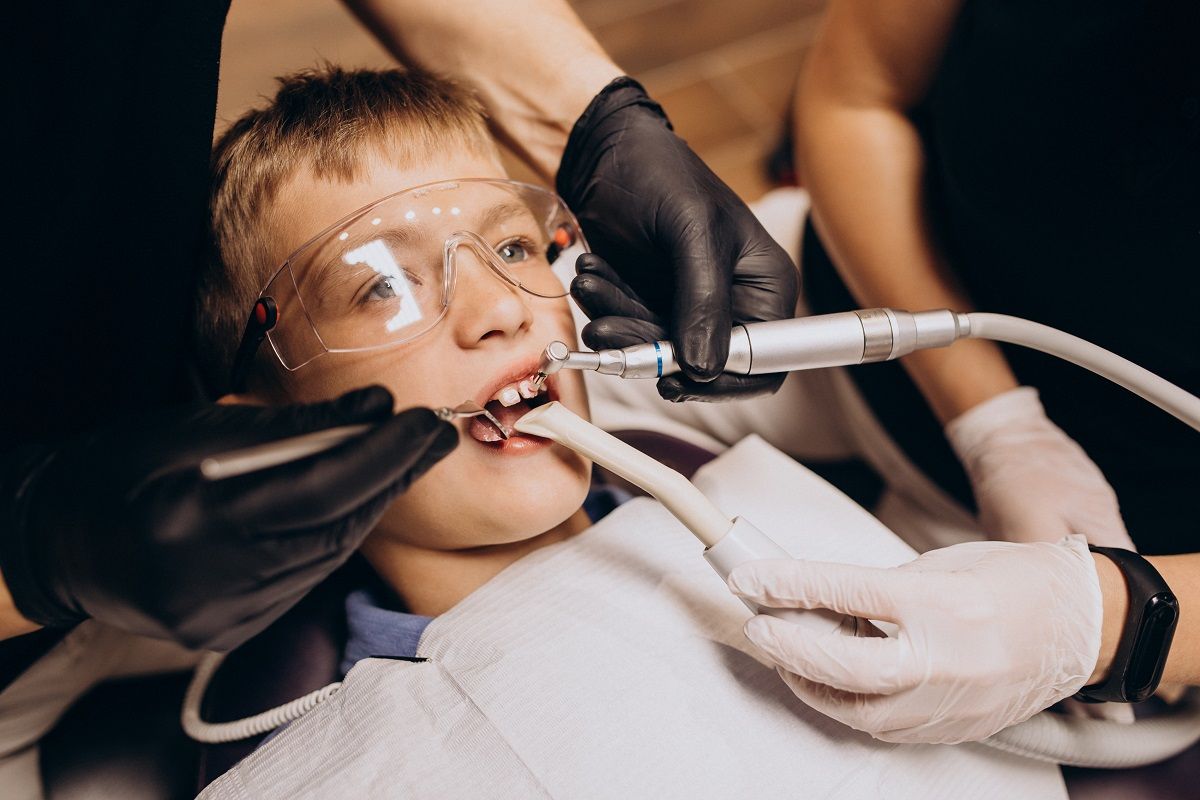
Once the tooth is comfortable, the dentist removes the decayed part of the tooth and cleans the area. The filling material is then placed, shaped, and polished so the tooth can work properly again. Tooth colored fillings are often used for children because they blend more naturally with the tooth and can restore small to moderate cavities.
The dentist also checks the bite before the visit ends. This step matters because a filling that feels too high may cause pressure when chewing. A smooth and balanced filling helps the child return to normal eating and speaking more comfortably.
“Untreated cavities can cause pain and infections that may lead to problems with eating, speaking, playing, and learning.”
Kids Filling Comfort Guide
| Concern | What It May Feel Like | How the Dental Team Helps |
|---|---|---|
| Fear before treatment | Nervousness or worry | Simple explanations and reassurance |
| Numbing | Brief pressure or strange feeling | Gentle technique and clear guidance |
| Cleaning the cavity | Vibration or water spray | Numbing when needed for comfort |
| Filling placement | Pressure, not sharp pain | Careful shaping and polishing |
| Bite after treatment | Slight adjustment feeling | Bite check before the visit ends |
| After numbness fades | Mild awareness of the tooth | Monitoring and follow-up if needed |

When Cavities Make Fillings Harder
Dental fillings usually feel easier when cavities are treated early. A small cavity may require less tooth repair and may be completed with fewer concerns. However, if decay spreads deeper into the tooth, the child may already have sensitivity or pain before the appointment. In those cases, the visit may involve more careful evaluation to determine whether a filling is enough.
A filling may not be the right choice if the tooth is badly weakened or if too much structure has been damaged. Some baby teeth with larger cavities may need a pediatric crown for stronger protection. This does not mean the treatment will be painful, but it does mean the dentist must choose the option that protects the tooth best.
Children may also feel more nervous if they previously had tooth pain. A gentle explanation can help them understand that treatment is meant to stop the cavity from getting worse. Pediatric dentistry focuses on comfort, prevention, and restoring oral health without making the child feel overwhelmed.
Daily habits also affect how often children need fillings. Frequent sugary snacks, sticky foods, juice, and missed brushing can increase cavity risk. Brushing twice daily, flossing where teeth touch, and keeping routine dental visits can help detect tooth decay earlier. Preventive options such as fluoride treatment and dental sealants may also help strengthen vulnerable teeth and reduce the risk of decay. According to the CDC, cavities are one of the most common chronic diseases of childhood, which makes early prevention and treatment important for long-term oral health.
Signs a Child May Need a Filling
- Sensitivity to cold, sweets, or pressure.
- Pain while chewing on one side.
- A dark spot, hole, or rough area on a tooth.
- Food getting stuck in the same place.
- Toothache that comes and goes.
- Swelling or gum irritation near a tooth.
Conclusion
Getting a dental filling does not have to be a frightening experience for children. With gentle communication, careful numbing when needed, and a child-focused approach, many filling visits are more comfortable than expected. Treating cavities early can help reduce tooth pain, protect baby teeth, and support normal chewing and speaking. If your child has sensitivity, a visible cavity, or discomfort while eating, a dental exam can help determine the right next step for dental fillings in Stockton.
Contact your Pediatric Dentist in Stockton, Dr. Rizvi, at Happy Kids Dental today to learn more about does getting a dental filling hurts for kids.
Resource
Subscribe To Our Newsletter
Get Updates And Learn From The Best