
What to Expect at a Child’s First Filling Visit
If your child has been told a filling may be next, the first appointment can feel easier when you know the order of events. This post explains what to expect when you take your child for a dental filling procedure, from check-in through the visit itself at Happy Kids Dental in Stockton with Dr. Rizvi.
The first visit is usually about gathering the right facts, calming the room, and making a plan that fits your child’s age and the tooth involved. Parents often want a clear picture before they arrive, and this guide gives that picture without the guesswork. If you want to see how this service fits into the bigger care plan, the practice’s dental filling service page is a helpful place to start.
At a child’s first filling appointment, the details matter more than the label. A baby tooth, a permanent tooth, a small spot, or a deeper cavity can all lead to a different visit, and the exam decides what is actually needed for that child.
What the first visit is really for
The first filling appointment is part exam, part planning visit, and part treatment visit when the tooth is ready for it. Dr. Rizvi looks at the tooth, the area around it, and how much of the cavity has reached the surface or moved deeper inside.
Some children need a short visit with a simple filling. Others need a little more time because the tooth is sensitive, the cavity is in a hard-to-reach spot, or the child needs more breaks. Parents who have already read about what a pediatric dentist does usually find that the visit feels more child-focused than they expected.
At Happy Kids Dental, the team keeps parents in the loop from the start. During the exam, Dr. Rizvi checks the tooth, explains the findings in plain language, and talks through the comfort options that fit the visit. The staff helps children settle in with a calm pace, simple directions, and room for questions before anything begins.
Check-in and the first few minutes
When you arrive, the team confirms the reason for the visit and reviews any updates about your child’s health, allergies, or recent tooth pain. That first conversation helps the appointment move at a pace that fits the child instead of rushing from one step to the next.
For many children, the first few minutes are the most important part of the whole appointment. A friendly introduction, a quick look around the room, and a clear explanation of what comes next can make the visit feel more manageable. Parents often like to bring a comfort item or simply stay close by, depending on the child’s age and the plan for the appointment.
Dr. Rizvi may also ask about brushing habits, thumb sucking, past dental visits, or any time the tooth has hurt with cold, sweet foods, or chewing. That context helps the exam answer more than one question at once, including whether the spot is small enough for a simple filling or whether the tooth needs a different type of care.
What the exam looks for
The exam is usually the point where the treatment plan becomes clear. The dentist checks the cavity itself, the surrounding enamel, the bite, and the gum tissue nearby. If there are signs that decay is close to the nerve, the plan may change, because a deeper cavity can call for a different approach than a shallow one.
Dental fillings remove decay and restore the tooth after the damaged area is cleaned out, which is why the exam comes before the repair. For a child, that exam also helps the team decide how much support is needed for comfort and cooperation during the visit.
Parents usually hear one of a few clear explanations after the exam. The tooth may be ready for a filling that day, the cavity may need a longer visit, or the tooth may need a different service such as pulp treatment if decay has gone deeper. That conversation is where families can ask how the tooth fits into the child’s overall dental picture, especially if more than one tooth is affected.
Comfort options during the filling visit
Comfort looks different from one child to another. Some children do best with a simple explanation, a slow pace, and a chance to ask questions. Others need extra help staying relaxed, especially if they are very young, worried, or having trouble sitting still for longer care.
At Happy Kids Dental, the team may discuss numbing and other comfort supports based on the child’s exam and age. That can include local numbing for the tooth, breaks during the appointment, or nitrous oxide when it is an appropriate part of care. The nitrous oxide service page explains that option in more detail for parents who want to understand how it is used in a pediatric setting.
Some children are comfortable hearing each step before it happens. Others do better when the dentist explains only a little at a time. A pediatric dentist often adjusts the communication style to the child in the chair, because the way the visit is explained can matter just as much as the tools being used.
- Local numbing helps keep the tooth from hurting during the filling, though a child may still feel pressure.
- Short breaks help children reset if they get tired.
- Nitrous oxide may be discussed for some children who need extra calming support.
- Parent questions are welcomed before the filling starts.
What happens during the filling itself
Once the tooth is ready, the dentist removes the decayed part and cleans the area so the tooth can be restored. The filling material is placed in layers or in one careful placement, depending on the tooth and the size of the cavity. The goal is to rebuild the tooth so it can chew comfortably again and stay closed off from more decay.
The appointment is usually quieter than parents expect. Children often feel pressure or hear working sounds, but the team keeps the pace steady and explains the steps in kid-friendly language. Parents sometimes ask whether a child will feel the whole process, and the honest answer is that comfort depends on the tooth, the numbing used, and the child’s response during the visit.
If the cavity is very small, the filling may be done quickly. If the tooth has more decay or is in a spot that is harder to reach, the visit may take longer. That is one reason the first appointment starts with a careful look, since the amount of work can change once the tooth is fully examined.
Questions parents can ask Dr. Rizvi
The first filling visit is a good time to ask direct questions, because the answers can help you plan the rest of the year. Many parents want to know how to clean the tooth afterward, what to expect later that day, and whether the filling changes anything about snacks, sports, or brushing.
It also helps to ask what the dentist saw on the other teeth. If one cavity is present, the exam may reveal other spots that are starting to weaken. Families who have already read when a child may need a filling often arrive with a better sense of the warning signs and can use the visit to make a longer-term plan.
A few practical questions are often helpful at the chairside:
- Is this a simple filling or something that needs more support?
- Will my child need to avoid chewing on that side for a while?
- What signs mean I should call after we leave?
- Are there other teeth you want to watch closely?
- How should I help my child brush around this tooth tonight?
Some parents also ask about the difference between today’s visit and future care. That is a fair question, especially if this is the first cavity a child has had. A clear answer can make the next appointment feel much less mysterious.
First Visit At A Glance
A quick look at the main parts of a child’s first filling appointment and what each step is for.
| Check-in | The team reviews health details and the reason for the visit. |
|---|---|
| Exam | Dr. Rizvi checks the tooth, the cavity, and nearby areas. |
| Comfort plan | Numbing, breaks, or nitrous oxide may be discussed if appropriate. |
| Filling visit | Decay is removed and the tooth is restored with filling material. |
| Parent questions | Families ask about care after the visit and what to watch next. |
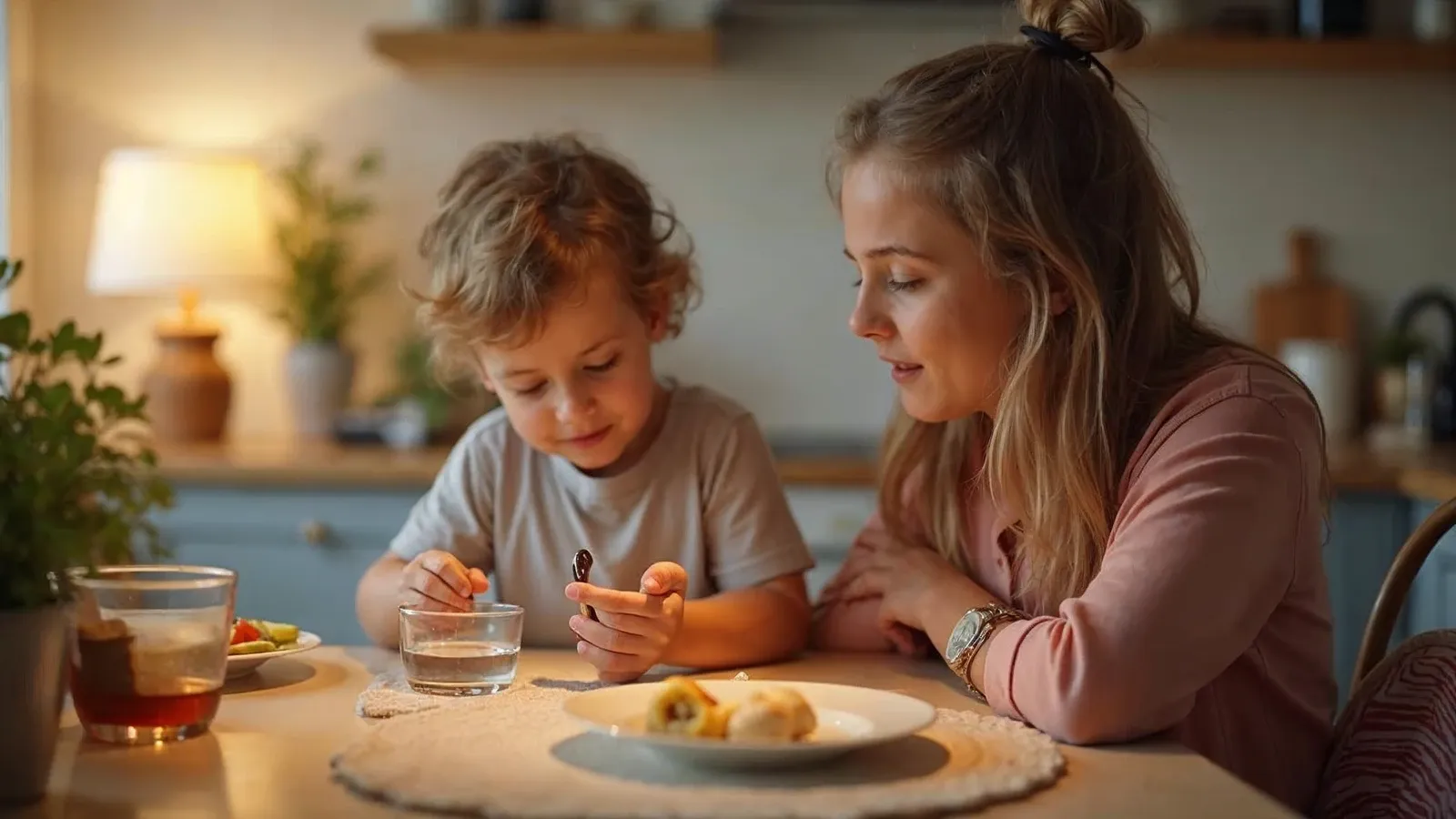
“The first filling visit works best when parents know the steps, and the child knows the room will move at a calm pace.”
Frequently Asked Questions
How long does a child’s first filling appointment usually take?
It depends on the tooth, the size of the cavity, and how comfortable your child feels in the chair. Some visits are short, while others take longer if the tooth needs extra care or breaks.
Will my child get numbing for a filling?
Many fillings involve local numbing so the tooth area is less sensitive during treatment. Dr. Rizvi decides what is appropriate after the exam and after talking with you about your child’s comfort needs.
Can I stay with my child during the appointment?
That depends on the child, the visit, and the office plan for that age group. The team will let you know how they handle parent presence so the child has the right amount of support.
What should I ask about after the filling?
Ask how to care for the tooth that day, when your child can eat, and what changes to watch for in the next few days. You can also ask whether other teeth need monitoring or preventive care.
What if my child is nervous before the appointment?
It helps to keep the explanation simple and calm, and let the dental team know ahead of time. A gentle start, kid-friendly language, and a steady pace can make the visit easier for many children.
Conclusion
A child’s first filling visit does not have to feel uncertain. When you know the order of the appointment, the check-in feels easier, the exam makes more sense, and the treatment part feels less like a surprise.
At Happy Kids Dental in Stockton, Dr. Rizvi and the team focus on clear explanations, practical comfort options, and a pace that fits the child in the chair. If you want help planning your child’s first visit or you have questions after a recent exam, the practice can talk through the next step with you.
To set up a visit, contact Happy Kids Dental and ask about your child’s filling appointment with Dr. Rizvi. A later post in this series looks at what kids tooth fillings are made of, and why it matters.
More in this series
Subscribe To Our Newsletter
Get Updates And Learn From The Best