
Are Tooth Colored Fillings Better for Children?
When families search for tooth-colored fillings in Stockton, they are usually looking for a pediatric dental solution that repairs a child’s cavity without making the tooth look dark or unnatural. Tooth colored fillings are commonly used in pediatric dentistry because they can restore damaged teeth while blending with the natural color of a child’s smile.
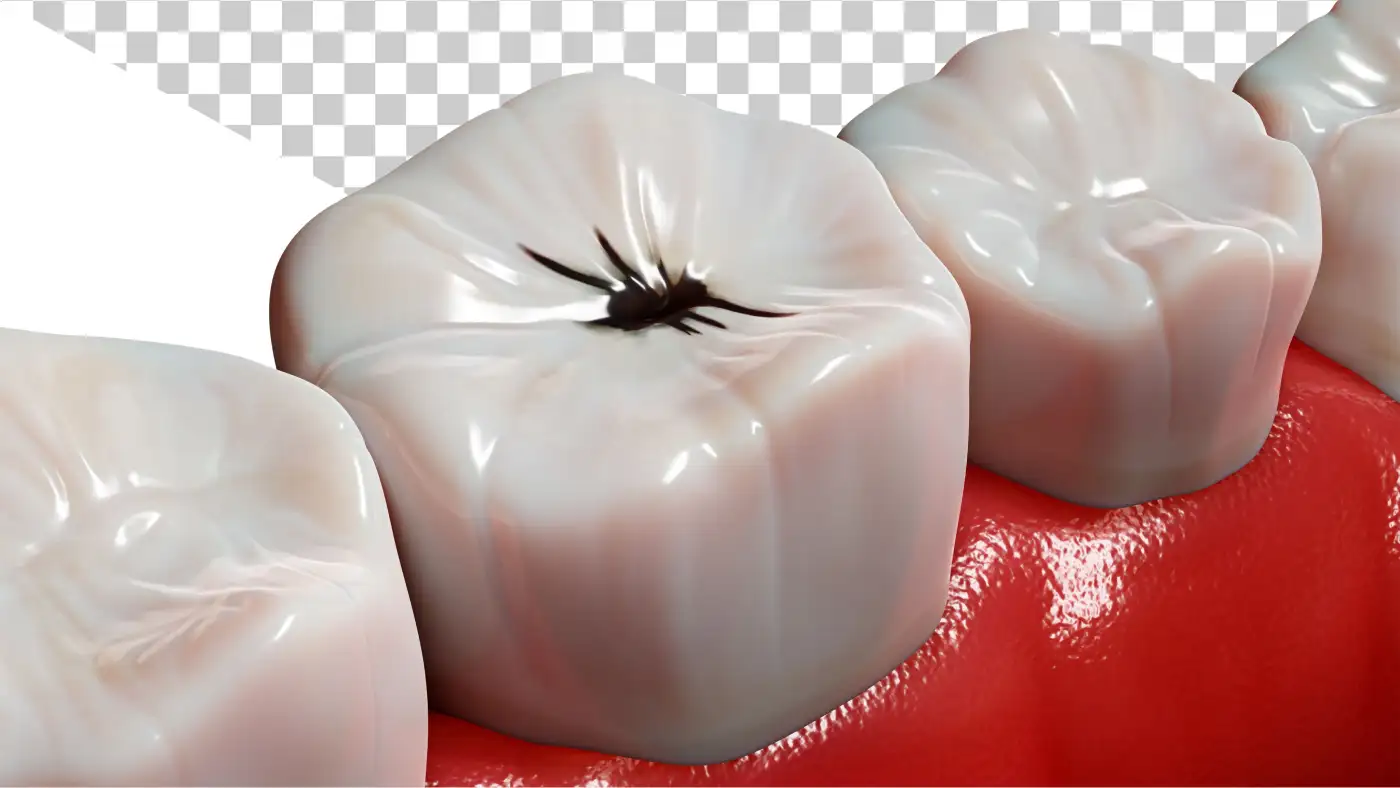
Children can get cavities even with regular brushing. Back teeth have deep grooves; young children may miss certain areas while brushing, and frequent snacks or sweet drinks can increase the risk of tooth decay. Tooth colored fillings help repair small to moderate cavities, protect the remaining tooth structure, and support normal chewing, speaking, and smiling.
What Are Tooth Colored Fillings?
Stockton Tooth colored fillings are dental restorations made to match the natural shade of the tooth. They are often made from composite resin, a material that bonds directly to the tooth after the decayed area is removed. The goal is to repair the cavity while keeping the tooth looking as natural as possible.
Unlike silver-colored fillings, tooth colored fillings are less noticeable when a child smiles, talks, or laughs. This makes them especially useful for visible teeth, but they may also be used on back teeth depending on the size and location of the cavity.
A pediatric dentist will decide whether a tooth colored filling is the right choice after examining the tooth. The decision depends on cavity size, tooth strength, bite pressure, age, oral hygiene, and whether the tooth is a baby tooth or a permanent tooth.

Are Tooth Colored Fillings Better Than Metal Fillings?
Tooth colored fillings are often preferred for children because they look more natural. A filling that blends with the tooth can help the repaired area look less noticeable, especially when the cavity is on a front tooth or another visible area.
Another benefit is that composite resin bonds to the tooth. This bonding process can help support the remaining tooth structure after decay is removed. Tooth colored fillings can also be shaped and polished so the bite feels smooth and comfortable.
However, tooth colored fillings are not automatically the best choice for every cavity. If the tooth is badly damaged, weak, or has a large cavity, a pediatric crown may provide better protection. The best treatment depends on the condition of the tooth, not only the appearance of the filling.
How Tooth Colored Fillings Support Children’s Oral Health
A tooth-colored filling does more than improve appearance. It helps seal the area where decay was removed and restores the tooth so the child can bite and chew more normally. Treating a cavity early may also reduce the chance of decay spreading into deeper areas of the tooth.
Children with untreated cavities may experience discomfort while eating, trouble sleeping, sensitivity, or changes in chewing habits. In some cases, untreated decay can lead to infection and require more complex treatment. A timely filling can help protect the teeth and keep the child more comfortable.
For children who feel nervous about dental treatment, a natural-looking result may also make the experience feel less intimidating afterward. The tooth still looks familiar, and the child can return to normal daily activities with better comfort.

Key Benefits of Tooth Colored Fillings for Children
- They blend with the natural tooth color for a more discreet result.
- They repair small to moderate cavities caused by tooth decay.
- They help restore chewing comfort and normal tooth shape.
- They can support remaining tooth structure through bonding.
- They may reduce sensitivity caused by damaged tooth areas.
- They help protect baby teeth until they are ready to fall out naturally.
When a Tooth Colored Filling May Not Be Enough
A tooth-colored filling can work well when there is enough healthy tooth structure left to support the restoration. However, if a cavity is very large, the tooth is cracked, or decay has weakened a significant portion of the tooth, a filling may not provide enough strength or protection. The American Academy of Pediatric Dentistry (AAPD) recognizes that the choice of restoration for primary teeth should take into account the extent of tooth damage, the child's needs, and the expected lifespan of the tooth.
In those cases, a pediatric dental crown may be recommended. A crown covers more of the tooth and may offer stronger protection for baby teeth that need to stay in place until they naturally fall out. This is especially important when the tooth is used heavily for chewing.
This is why early dental visits matter. When cavities are found early, treatment may be simpler. When decay is left untreated, the tooth may require a larger restoration. A stockton pediatric dentist can explain the difference between a filling and a crown based on the child’s actual tooth condition.
Tooth Colored Fillings vs Other Pediatric Options
| Treatment Option | Best Used For | Benefit for Children | Important Note |
| Tooth colored filling | Small to moderate cavities | Natural-looking cavity repair | Best when enough healthy tooth remains |
| Pediatric crown | Larger cavities or weakened teeth | Stronger tooth protection | Used when a filling may not be enough |
| Dental sealant | Cavity prevention on back teeth | Helps protect chewing grooves | Not used to repair an existing cavity |
| Fluoride support | Enamel strengthening | Helps lower future cavity risk | Works best with brushing and checkups |
Conclusion
Tooth colored fillings can be a strong option for many children because they repair cavities while keeping the tooth looking natural. They help restore chewing comfort, protect baby teeth, reduce sensitivity, and support a healthier smile. Still, the right choice depends on the size of the cavity, the strength of the tooth, and the child’s overall dental needs. If you are considering tooth colored fillings in Stockton, a pediatric dental exam can help determine whether a filling, crown, or preventive treatment is the best next step.
Contact your Pediatric Dentists in Stockton, Dr. Rizvi, at Happy Kids Dental today to learn more about Are Tooth Colored Fillings Better for Children?
Resource
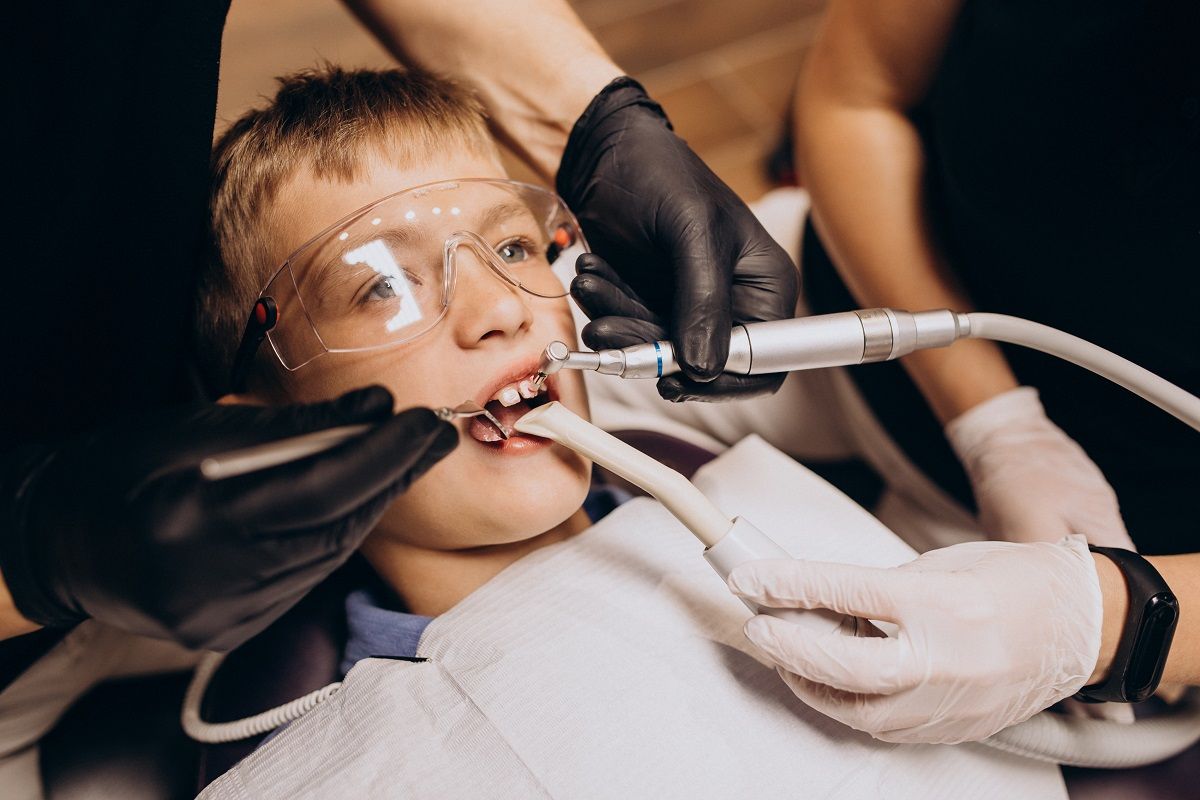
What to Expect During Your Child’s Dental Filling Appointment
Subscribe To Our Newsletter
Get Updates And Learn From The Best